
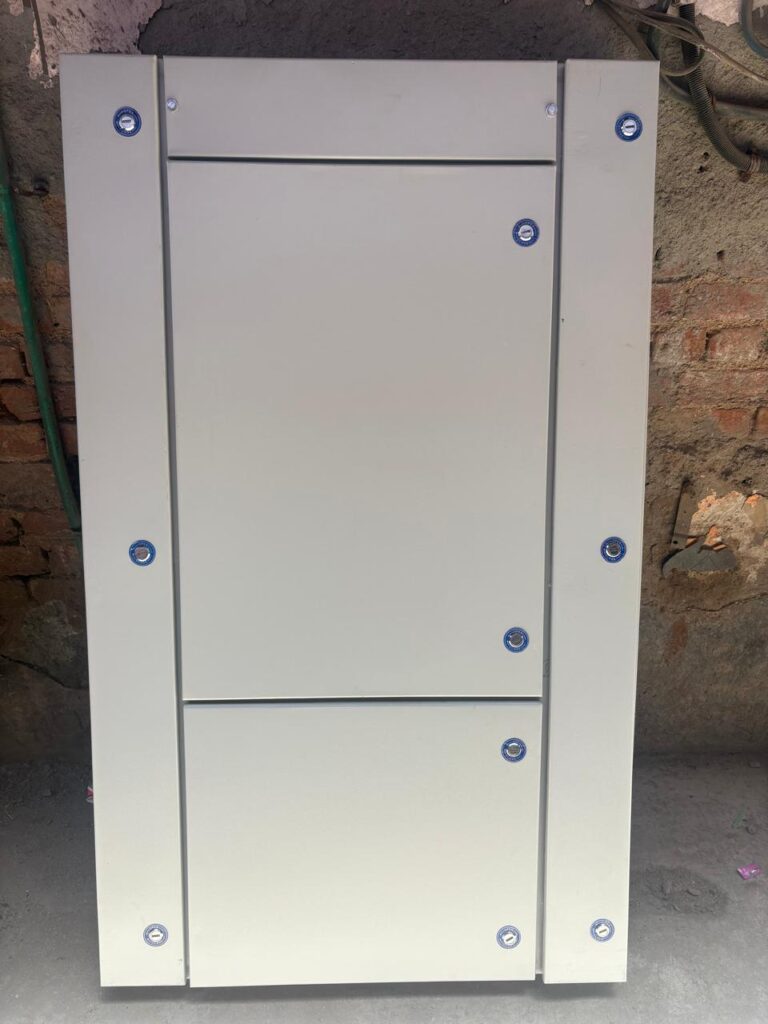
Electrical enclosures refer to the protective cabinets designed to protect electrical parts such as circuit breakers, contactors, relays, bus bars, PLCs, VFDs, and control units. These cabinets help protect the electrical equipment from dust, moisture, accidental contact, corrosion, and other environmental factors. Installing the proper type of enclosure ensures the longevity of the equipment, helps protect it from damage, and makes it easier to maintain.
Importance of an Electrical Enclosure
Electrical equipment is always subjected to environmental factors such as dust, moisture, heat, vibrations, and accidental impacts. An electrical enclosure helps provide a secure housing for the electrical parts, protecting them from all these threats. Not only does it increase the longevity of the equipment, but it also cuts down maintenance costs, reduces electrical accidents, and keeps wires in place.
Different Types of Electrical Enclosures
Electrical enclosures come in many shapes and types, made up of various materials based on the usage. The most commonly used enclosures are MS (Mild Steel) Enclosures because of their durability and cost-effectiveness, along with being fit for most industrial and commercial uses. For chemical plants, pharmaceutical industries, food processing plants, and coastal regions, where corrosion resistance is an important requirement, Stainless Steel Enclosures are most commonly used. Outdoor Enclosures have been specifically designed to protect against environmental elements like rain, dust, and sunlight. Wall-Mounted Enclosures are compact and suited for smaller control systems, whereas Floor-Mounted Enclosures offer more space for larger electrical panels like PCC, MCC, APFC, and PLC panels.
IP Rating Knowledge
The Ingress Protection (IP) rating indicates how well an enclosure protects electrical devices from both dust and water ingress. For instance, an IP54 enclosure is dust and splash-proof, therefore ideal for many indoor applications. An IP55 enclosure is more resistant to dust and low- pressure water jets compared to the IP54. Moreover, the IP65 enclosure is dust-tight and offers protection against water jets. For more difficult outdoor conditions, IP66 enclosures are recommended due to their high level of protection. It is important to choose the right IP rating to ensure reliable performance.
Applications of Electrical Enclosures
There are many reasons why electrical enclosures are broadly used in various industries since they create a secure and structured place for electrical equipment. Such enclosures are found in factories, commercial buildings, automation systems, power systems, water treatment plants, hospitals, data centers, renewable energy projects, and infrastructure facilities, among others. They are universal and can be used in almost any electrical installation.
Advantages of a Good Quality Electrical Enclosure
A good quality electrical enclosure comes with many benefits, such as the protection of expensive electrical equipment from dust, moisture, and accidental damage. This makes the electrical equipment safer for the operators, increases their lifespan, and also lowers the maintenance costs. A properly made electrical enclosure also allows good cable management, easy upgrade of the system in the future, and complies with industrial safety standards. In other words, purchasing a good -quality electrical enclosure enhances the efficiency and effectiveness of your electrical system.
Why Should You Buy Our Enclosures?
Kiran Power Control designs high-quality electrical enclosures for use in industrial, commercial, and infrastructure projects. We make our enclosures from high-quality materials with great engineering to guarantee the customers high strength, durability, and great finishing. Our company also designs customized enclosures of different sizes, mounting types, and IP ratings to fit the needs of every single customer.